Do I Require Pest Control for a Condo in North York?
If you are living in North York condos, the simple answer is: often, yes. Condo living alters the way pests spread, hide, and spread, so pest control is less about responding to a problem in one suite and more about looking at the whole building. In a dense part of Toronto’s northwest and northern urban condo market, pests can move through shared walls, shared plumbing, and common areas more quickly than many residents expect.
That is the reason pest control North York isn't merely a residential issue. It is an overall issue, a coordination issue, and in some cases a governance and oversight issue. When deciding if your condo needs treatment, the best question is not only “Do I see pests?” but also “Where are they coming from, and who needs to act?”
Why pests still appear in North York condos
Even well-managed condominium buildings can have pest issues because pests do not care whether a suite is owner occupied or leased. They are drawn to food sources, dampness, heat, and shelter. In high-rise residential buildings, pests often spread between units through wall voids, pipes, ceiling spaces, and service areas. That means one suite can become part of a larger infestation if the building does not act fast.
North York has many towering buildings and mixed-use developments, especially around Yonge–Sheppard, Finch, Willowdale, and Don Mills. These buildings often have busy loading areas, trash chutes, storage rooms, and communal amenities. Those facilities support residents, but they also create access routes and harbourage for pests if sanitation and exclusion are not strong enough.
One more reason pests remain in condo buildings is that the concern may not start in your unit. A concern in a neighbouring suite, a service chase, a recycling room, or a laundry room can travel through the building. Put simply, a single sighting can occasionally signal a broader infestation pattern that needs specialized oversight rather than a one-time spray.
Frequent condo pests in North York
The usual condo pests in North York are often the ones that thrive in shared structures and dense housing environments. That includes cockroaches, bed bugs, and mice, but also ants and silverfish. Each type of pest behaves differently, and that changes the treatment plan.
Cockroaches are a major concern in apartment and condo settings because they can hide in small cracks, behind appliances, and near moisture sources. They often move between suites through plumbing voids and wall gaps. Proper control usually involves roach bait, sanitation improvements, sealing entry points, and repeated monitoring.
Bed bugs are different because they spread mainly through belongings, furniture, and travel between connected living spaces. A single unit can have a serious problem even when other suites are unaffected. Effective bed bug treatment usually requires preparation, careful inspection, and follow-up treatment to target any survivors or newly hatched bugs.
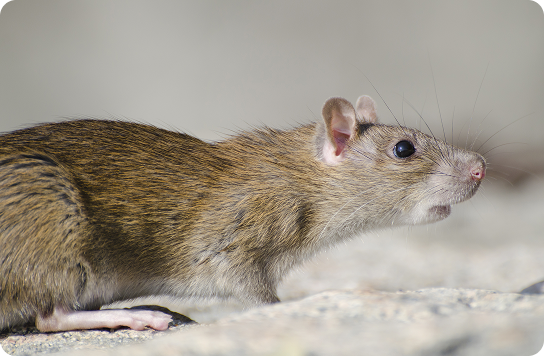
Mice are another concern, especially in buildings with loading docks, garbage storage, or gaps around utility penetrations. Rodent control in condos often requires both trapping and exclusion, because if the building still has access routes, mice can return. Ants may appear seasonally, especially when weather shifts and food sources are available. Silverfish tend to show up in humid spaces, bathrooms, storage rooms, and closets where moisture creates ideal conditions.
In many cases, the pest you see is only part of the issue. The real question is what environmental factors are supporting it: food access, moisture, poor sanitation, and hidden harbourage.
Indicators your condo needs pest control
Many pest issues are obvious, but others begin with subtle signs of pests. If you notice droppings along baseboards, inside cabinets, behind appliances, or near walls, that is often a clear sign of rodent or roach activity. Droppings are especially important in condos because they can reveal movement between kitchens, bathrooms, and utility areas.
Moldy odors can also be a warning sign. A constant odour in cupboards, near vents, or in closed rooms may indicate cockroaches, rodents, or dampness that is attracting pests. In condo towers, odours sometimes travel through shared systems, so a smell in your suite may not always be caused by your own habits alone.
Chew marks on bedding, furniture, or food packaging can point to bed bugs or rodents. Bed bugs usually leave clustered bites on people as well, while mice tend to chew packaging, wires, cardboard, and softer materials. If you see chew damage, shredded nesting material, or tiny stains along mattress seams, it is time to consider an inspection.
Other signs include grease marks, scratching in walls, shed skins, and live sightings during the day. A pest that appears in daylight may suggest heavy activity or a growing problem. In condo settings, quick action matters because one suite’s delay can affect neighbouring units and common areas.
If you are seeing repeated signs rather than a single accidental sighting, assume there is an underlying issue until an inspection proves otherwise.
Who is responsible: owner, tenant, or condo corporation?
Responsibility in a condo is not always straightforward. In Ontario, the answer can be based on the source of the infestation, the lease or declaration, and whether the affected area is inside the suite or part of the building. The Ontario Residential Tenancies Act is especially relevant when a tenant is involved, but it does not eliminate the role of the condominium corporation or property management in addressing building-wide conditions.
As a rule, tenant obligations may involve sustaining the unit reasonably clean, advising on pests promptly, and cooperating with access for treatment. the owner’s duties may involve upkeeping the suite, scheduling treatment when the unit is owner-occupied, and following condo rules. But if the infestation seems to stem from a common element, a neighbouring suite, or a building system, the condominium corporation and property management may have to coordinate the response.
This is why condo pest issues frequently involve multiple party. Property management can issue notifications, arrange building access, manage unit inspections, and communicate treatment instructions. The condominium corporation may oversee shared spaces, structural issues, and complex-wide programs. Tenants and owners still need to cooperate, because pest control in condo settings often depends on scheduling, access, and property-wide compliance.
If the problem involves various suites or a shared area, Toronto residents should also pay attention to Toronto Public Health guidance and building notification practices. When pests are moving through a tower, clear communication and documented treatment steps become part of the response.
Whenever preventive pest control is worthwhile
You do not have to wait until a full infestation to think about pest control. In many North York towers, preventive treatment is a smart move if the building has a history of pest complaints, if nearby units have had issues, or if your suite has conditions that increase risk. Prevention is especially useful in buildings with recurring cockroach or bed bug problems.
A routine inspection can identify early problems before they spread. This is especially helpful if you are moving into a new suite, returning after a renovation, or taking over a unit with a previous pest history. An inspection can also reveal hidden entry points, moisture problems, and areas where sanitation or exclusion measures should be improved.
Seasonal prevention makes sense too. In colder months, mice may push indoors. In warmer periods, ants and other insects may become more active. Humid conditions can also make some pest problems worse, especially in older buildings or lower floors. Preventive control is not always about pesticides alone; it is about monitoring, sanitation, sealing gaps, and making the suite less attractive to pests.
Many condo residents think of prevention as optional, but in dense buildings it can be more cost-effective than waiting for a larger recurrence. A good integrated pest management approach focuses on the whole picture: inspection, sanitation, exclusion, monitoring, and targeted treatment only when needed.
How pest control works in condo buildings
Pest management in condos often operates unlike from a detached house because the building has to be managed as a system. A one-unit spray seldom solves a building-wide issue. In many cases, the most effective approach is building-wide treatment organized by management, particularly if multiple suites are affected or pests are moving through shared service areas.
Access is a important part of the procedure. Unit access is often needed so the technician can check kitchens, bathrooms, closets, and perimeter walls, especially around plumbing penetrations and behind appliances. If residents do not provide access or do not make preparations properly, the treatment plan may fail and the infestation can remain.
Most efficient condo programs feature repeat inspections. That is because many pests, notably cockroaches and bed bugs, need more than one service to completely control. Repeat service helps detect newly hatched insects, track progress, and determine whether the problem is declining or persisting. This is where communication matters: residents need detailed instructions, and management needs to track which suites were serviced and when.
Effective facility pest prevention uses IPM. This involves blending sanitation, sealing entry points, inspection, tenant education, and targeted treatment. The technician may place attractants, catch devices, or observation devices in carefully chosen spots, then follow up to review activity changes. This approach reduces unneeded chemical use and addresses the situations that allow pests to survive.
Specific to North York factors which raise pest risk
The district has its own set of risks because of the mix of older apartment stock, newer towers, and dense corridors of residential development. High-rise condos in areas like Yonge–Sheppard and Finch often have extensive mechanical systems, underground parking, and shared amenity spaces. These elements are convenient, but they also increase the number of places where pests can shelter or travel.
Neighbourhood context also matters. In Don Mills, you may see buildings with a blend of residential and commercial activity, which can mean more food handling, more deliveries, and more potential access routes. In Willowdale, many towers and mid-rises share similar building features, including garbage chutes and laundry facilities, which can encourage pest movement if not maintained carefully.
Shared plumbing is a regular issue in condo towers because pipes run through many units. If there are gaps around pipes or leaks that create moisture, pests can use those areas as movement paths and shelter. Laundry rooms, recycling rooms, storage lockers, and garbage collection points can also become hotspots if cleaning schedules and building maintenance are not consistent.
In short, North York’s condo environment creates both comfort and risk. The same features that make urban living practical can also give pests more routes, more food sources, and more places to hide.
How to ready your condo for application
Getting ready can make a major difference in how well the treatment works. If you receive resident notice about an upcoming treatment, go through it carefully and follow every instruction. Notice periods often detail what needs to be cleared, how much access the technician needs, and whether pets should be removed during treatment.
Kitchen prep is usually one of the essential steps. Keep food in sealed containers, wipe counters clean, empty or tidy cupboards if instructed, and move items away from the walls so the technician can treat baseboards and hidden areas. If cockroaches are involved, cleanup and clutter reduction are especially important because pests use food residue and cardboard as shelter.
Pet safety also matters. Move pets elsewhere if necessary, or keep them well away from the treated areas according to the instructions. Protect aquariums, relocate pet bowls, and avoid leaving pet food out overnight. If a product is used that requires re-entry time, make sure you know when it is safe for people and animals to return.
Preparation also includes practical clutter reduction. The fewer hiding places pests have, the better the treatment will work. That means keeping floors accessible, reducing stacked cardboard, and making sure the technician can inspect likely entry points and harbourage zones. If you have a history of pests, preparation plus follow-up visits can be the difference between temporary relief and lasting control.
When to call a local pest control company
You should call a local exterminator when you see https://mississauga-onkn825.scriblorax.com/posts/why-do-carpenter-ants-in-north-york-homes repeated activity, when multiple signs of pests are present, or when a neighbour or property manager reports a wider problem. In condos, waiting often makes the issue worse because pests can move through the building while you are trying to decide what to do.
Select a company that understands condo coordination, unit access, and building-wide communication. A strong pest control North York provider should be comfortable working with property management, explaining resident instructions, and recommending a treatment plan that fits multi-unit buildings. For urgent problems, same-day service can be valuable, especially for bed bugs, mice, or active cockroach activity.
Inquire whether the provider provides ongoing service when the pest problem is ongoing or the property has a track record of returning problems. A one visit may not be sufficient for bedbugs or roaches in dense condo buildings. Regular monitoring and focused follow-up can help reduce the issue from coming back.
A qualified exterminator should also review prevention, not just treatment. That includes cleanliness recommendations, exclusion work, and useful ways to reduce risk factors in your suite. The best service is not just responsive; it is designed to stop the infestation from returning.
FAQs about condo pest control in North York
Do I need pest management if I only see one pest in my condo?
Yes, perhaps. One pest can be an isolated incident, but it can also be a first sign of a larger infestation. In condos, pests can spread through shared walls, shared plumbing, and shared spaces, so even a single glimpse should be treated seriously if you also notice signs of droppings, bite marks, or damp odors. A professional inspection is often the most effective first move.
Who pays for pest control in a North York condo?
It varies on the origin of the problem and the building bylaws. In certain situations, the unit owner’s responsibility or tenant responsibility applies within the unit. In other cases, the condominium corporation or property management must address the issue if it involves common elements or a building-wide infestation. The Ontario Residential Tenancies Act may also apply when a rental unit is involved. If you are unsure, ask management to clarify the condo’s process in writing.
How frequently should condo pest control be done?
That depends on the level of risk of the building. Certain suites only need service if an issue arises, while others benefit from proactive treatment and regular inspection. Buildings with repeated cockroaches, bed bugs, or mice may need repeat service and follow-up treatment until the issue is brought under control. Year-round prevention can also help in North York towers where pest pressure changes through the year.
Are infestations in high rise condos worse than in houses?
They are not always bad, but they are often tougher to contain because pests can travel between units and hidden building systems. Multi-storey buildings, garbage chutes, laundry rooms, and shared plumbing create more channels for spread than many detached homes have. On the other hand, a condo building with effective sanitation, exclusion, and monitoring can be controlled effectively.
Where should I start if I suspect bed bugs or cockroaches?
Start with documentation and an inspection. Snap pictures if possible, save any trapped insects, and notify property management or your landlord right away. Do not move infested items through the building if you suspect bed bugs, and don’t depend on surface cleaning alone for cockroaches. A licensed exterminator can identify the pest, recommend the right treatment plan, and schedule any needed follow-up visits.
If you live in North York, pest control for a condo is usually about acting early, coordinating with the building, and choosing the right response for the source of the problem. In a dense condo market, that often means combining inspection, prevention, and building communication rather than waiting for a bigger outbreak. When done correctly, pest control protects not just one suite, but the whole building.