Rodent Management in North York: Local Solutions for Residences and Businesses
If you need pest control North York property owners can rely on, the initial step is knowing how quickly a rodent problem can spread in a busy urban area. North York, ON sits in Toronto’s north district, where high-rise condos, older homes, commercial corridors, and transit-adjacent buildings offer plenty of opportunities for rodents to spread, nest, and feed. Whether you own a house, manage an apartment building, or run a restaurant near a major roadway, effective rodent control starts with prompt identification and effective prevention.
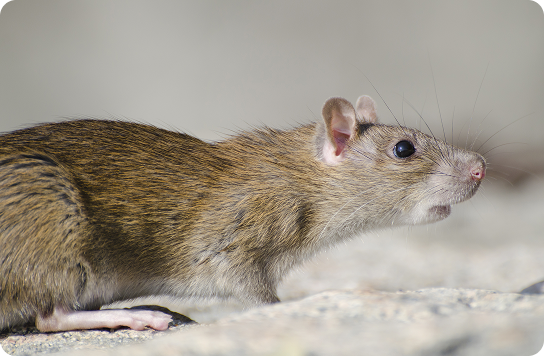
In North York neighbourhoods, rodents are not limited to one type of property. House mice, Norway rats, and even roof rats can use gaps in structures, food sources, and sheltered spaces. Once a rodent infestation takes hold, contamination, chew damage, and recurring activity can become challenging to manage without a professional inspection and a specific control plan.
How come Rodent management Counts in North York
Rats and mice are a significant pest management issue because they reproduce fast, contaminate surfaces and stored goods, and cause hidden damage inside walls and ceilings. In North York, the blend of dense neighbourhood blocks, laneways, older construction, and active commercial areas makes it easier for rodents to travel from one property to another. That means a problem on one lot can become a concern for nearby homes, condominiums, and commercial properties.
House mice are often located in kitchens, utility areas, and warm wall voids, while Norway rats tend to nest more closely to ground level in burrows, basements, and exterior voids. Roof rats are rarer than some other species but can still show up where overhead access, attic spaces, and roofline gaps provide entry access. Each species calls for a different approach to monitoring, exclusion, and extermination.
For local property owners, the biggest concern is that rodents rarely stay where they are first seen. A few droppings or subtle chew damage can be an early sign of a larger rodent infestation already hidden in attics, basements, or storage rooms. Acting quickly reduces health risk concerns for both health and property value.
Frequent Rodent Issues in Nearby Homes and Condos
North York has a wide range of housing types, and each one causes different pressure points for pest control. In condominiums, rodents may pass through service chases, garbage rooms, ceiling voids, or utility corridors. In semi-detached homes, shared walls and closely spaced yards can render exclusion more complicated, especially when one building has vulnerable entry points and the neighbouring unit does not.
Older low-rise buildings and single-family homes often have a blend of original materials and later renovations, which can leave hidden access routes behind drywall, around plumbing, and near foundations. In these places, attics and basements are common harborage areas because they offer protection, nesting material, and reduced disturbance. Once rodents settle in, they may create burrows outside and travel indoors through small structural gaps.
Condos and apartment buildings near subway routes, busy intersections, and commercial strips can also face ongoing pressure because rodents take advantage of waste rooms, loading areas, and shared utility spaces. In many North York buildings, the challenge is not just getting rid of the visible pests but coordinating prevention across multiple units and common areas.
For homeowners and condo boards alike, the best approach combines sanitation, proofing, and ongoing maintenance. That means removing food sources, cutting down on clutter, and sealing the places where rodents are entering and hiding.
Signs You May Need Pest Control in North York
One of the main parts of early rodent control is identifying the signs before damage spreads. Frequent indicators include droppings in cabinets, along baseboards, near appliances, or in storage rooms. Recent droppings are often dark and soft, while older ones may appear dry and crumbly.
Gnaw marks are one more major warning sign. Rodents constantly chew to keep their teeth from growing too long, so they can damage food packaging, wood, drywall, insulation, and wiring. If you notice chew damage near pantry items, utility lines, or corners of base cabinets, it may point to current entry access or a nearby nesting site.
You may also hear scratching noises at night, especially in scratching in walls situations where rodents travel through voids between floors, behind plumbing, or inside ceilings. In some homes, the smell is just as telling. A strong urine odor can suggest repeated activity in a hidden area, especially where rodents have nested for a while.
If you are seeing even one of these signs, it is recommended to schedule a professional inspection sooner rather than later. Rodent activity is often more widespread than it appears on the surface.
Other clues include greasy rub marks, shredded nesting material, and tracks in dusty corners. A proper assessment helps identify the species involved and determines whether traps, bait stations, exclusion, or sanitation improvements will be most effective.
How These pests Find a way into North York Properties
Rodents are adept at spotting small gaps. In North York, common entry points include foundation cracks, gaps around doors, utility openings, and damaged vents. Even a small opening can provide enough space for a mouse to squeeze through, while rats need only slightly larger gaps than many property owners expect.
Service lines are a common weak spot because pipes, cables, and conduits often pass through walls with imperfect sealing. Once the sealant breaks down, rodents can use these access paths to move from the exterior into basements, kitchens, storage areas, and wall cavities.
Attic vents are a further issue, especially on homes and low-rise buildings with older screening or missing covers. Roof-level entry can lead directly into attics, where rodents can nest undisturbed. In dense North York blocks, nearby trees, flat rooflines, and connected building elements can make upper-level access even easier.
Rodents often use exterior conditions to their advantage. Laneways, storage sheds, garbage enclosures, and deck voids can all provide cover as they move between properties. That is why effective proofing looks beyond a single hole and considers the full structure, from roofline to foundation.
Rodent pest Control Techniques That Deliver Results
Proper rodent management usually uses multiple tactics as opposed to using only one method. Key tools include trapping, exclusion, and cleanliness. Every approach supports the others and helps lower the chance of recurring issues.
Capture methods works well for immediate removal and observation. Experts often place traps along runways, near walls, and in out-of-sight locations where rodents are already moving. This helps confirm activity levels and trap the pests without leaving dead animals in inaccessible voids.
Exclusion is the structural side of exclusion work. This means sealing entry points, repairing damaged materials, screening vents, and closing gaps around pipes and cables. If entry stays open, rodents can return after trapping, especially in older North York homes and commercial buildings with repeated pressure from nearby structures.
Sanitation reduces the food and nesting resources that support a rodent infestation. This includes cleaning up crumbs, storing food properly, managing waste correctly, and removing clutter that gives rodents hiding places. From a pest management perspective, sanitation lowers harborage and makes the property less attractive.
In many cases, a strong treatment plan also includes baiting stations in carefully selected outdoor or secured service areas. These can help with monitoring and population control where appropriate. A qualified professional will place them with attention to safety, accessibility, and the specific activity pattern on the site.
Safe and Humane Rodent Elimination Options
A lot of property owners prefer removal methods that are safe, effective, and responsible. A humane approach often starts with integrated pest management, which centers on inspection, monitoring, exclusion, and precise treatment instead of broad, unnecessary intervention.
Live traps are sometimes used in some situations where capture and release is suitable, though this is influenced by the property, the species, and local regulations. These traps can be used to remove rodents without immediate lethal control, but they must be checked often and used with care to avoid harm or unintended issues.
Snap traps continue to be one of the most direct and efficient tools for active rodent control when used correctly. They can be placed in sheltered locations where rodents travel, especially beside walls and behind equipment. When installed by a professional, they are typically part of a broader strategy that includes monitoring and proofing.
Humane removal is not only about the trap type. It also depends on strategic placement, fast action, and follow-through. Leaving the underlying access points open means new rodents can replace the ones removed. That is why integrated pest management always ties removal to long-term prevention.
Preventing Rodents After Treatment
After service, the goal is to make sure the problem does not reappear. Strong food storage routines are crucial. Keep pantry items in sealed bins, avoid leaving pet food out overnight, and clean up grease or crumbs quickly. In both homes and businesses, easy food access leads to repeated rodent activity.
Waste management is just as vital. Garbage bins should have tight-fitting covers, recycling should not contain food residue, and waste areas should be cleaned routinely. In commercial properties and multi-unit buildings, shared waste rooms and loading docks need extra attention because they can become predictable feeding spots.
Entry point sealing is the https://caledon-onvg562.lumenforgex.com/posts/price-of-trip-in-north-york-on-travel-budget-and-local-costs cornerstone of long-term control. That means closing holes around pipes, repairing damaged screens, sealing cracks in masonry, and reinforcing vulnerable areas near foundations and rooflines. Ongoing monitoring helps confirm that proofing remains secure.
In practical terms, prevention is a routine, not a one-time task. Ongoing maintenance, periodic checks, and prompt repairs all support long-term risk reduction. A property that stays clean and sealed is far less attractive to rodents.
Seasonal Rodent Activity in North York
Rodent pressure in North York changes with the time of year. During winter infestations, rodents often move indoors to escape cold temperatures, snow cover, and reduced outdoor food sources. In Toronto-area winters, heated buildings become especially attractive, which is why basements, utility rooms, and insulated walls can see increased activity.
Fall prevention is important because rodents often begin seeking shelter before the weather turns harsh. This is the best time to inspect exterior gaps, repair screens, and clean up leaf litter, debris, and food sources near the foundation. For homeowners and property managers, a fall inspection can prevent winter harborage.
Spring inspections are equally important. As snow thaws and behaviour shifts, signs of winter harborage may become more visible. This is the right time to check attics, garages, and building exteriors for damage, burrows, and chewed materials. In North York, seasonal cycles can reveal the weak spots that rodents used over the colder months.
Since the area includes dense neighbourhood blocks and busy commercial corridors, seasonal activity can also move between properties more quickly than in less urban settings. That makes proactive monitoring particularly valuable.
When to Call a Local Exterminator
Some rodent problems can be addressed quickly, but others require professional help. You should call a local exterminator if you are dealing with recurring infestations, if the problem appears in multiple areas of the property, or if you keep seeing signs after cleaning and sealing.
Another reason to act quickly is property damage. Rodents can damage insulation, ductwork, stored inventory, and electrical components. In homes, that can lead to expensive repairs. In businesses, it can disrupt operations and create compliance issues.
There are also important health risks. Rodent droppings and urine can contaminate food-contact surfaces, storage areas, and workspaces. In some cases, contamination can spread beyond the visible nesting area. A professional inspection helps identify the scope of the issue and the safest treatment approach.
Local expertise matters. A North York provider understands how older homes, apartment buildings, strip plazas, and restaurants near major roadways tend to be built and used. That local knowledge can make extermination and prevention more effective.
What to Expect from Professional Pest Control North York Services
Professional pest control North York services should begin with a careful inspection. This includes checking interior and exterior areas for signs of activity, entry points, nesting zones, and conditions that support a rodent infestation. A careful inspection is the foundation of good pest management.
From there, the technician should develop a well-defined treatment plan. That plan may include traps, bait placements, entry-point sealing, sanitation recommendations, and monitoring. The strongest plans are customized to the property type, whether it is a condo unit, a detached house, or a commercial building.
Professional service should also include a follow-up inspection. This step verifies that the treatment is working, reviews whether new activity has appeared, and identifies any repairs that still need attention. Follow-up service is especially important for properties with continued pressure from nearby buildings or waste areas.
Good service is not just about removing pests. It is about building a long-lasting prevention strategy. That includes sealing entry points, ongoing maintenance, and practical advice that fits the realities of North York living and business operations.
Rodent Control for Restaurants, Retail, and Commercial Spaces
Rodent issues in commercial properties can become urgent very quickly, especially where food, customers, or inventory are involved. Commercial pest control must be thorough, discreet, and structured around the daily routines of the business. Restaurants, bakeries, grocery stores, and food-service operations near busy roads or commercial strips face constant pressure from surrounding activity.
Food premises need especially strong sanitation and monitoring because even minor contamination can lead to serious consequences. Staff should know how to keep ingredients correctly, sanitize behind equipment, handle waste, and report signs like droppings or chew damage immediately. In these settings, pest prevention is part of operations, not an afterthought.
Sanitation standards also matter in retail spaces, warehouses, and mixed-use buildings. Rodents can hide behind shelving, in stock rooms, or near dock entrances. Businesses near transit routes, laneways, and dense neighbourhood blocks should pay close attention to exterior waste areas and shared access points.
Business rodent control frequently requires more frequent monitoring than household work. That may include regular inspections, documentation, and ongoing maintenance to keep the property guarded over time.
FAQs About Rodent Control in North York
What are the most common rodents found in North York homes?
The most common species are house mice and Norway rats, with roof rats also present in some buildings. The exact species often depends on the property type, nearby food sources, and whether the structure has access to attics, basements, or exterior nesting areas. A professional inspection can identify the rodent and inform the right treatment plan.
How do I know if I need professional pest control in North York?
If you notice droppings, gnaw marks, urine odor, scratching in walls, or repeated activity after cleaning, it is a solid sign you need professional help. You should also call for pest control if rodents are affecting food areas, commercial operations, or any part of the building where contamination or property damage may spread.
How long does rodent control usually take?
Timelines vary based on the size of the rodent infestation, the building type, and how many entry points need to be sealed. Some cases improve quickly after trapping and exclusion, while others require several visits and a more detailed treatment plan. A follow-up inspection helps confirm progress and refine the approach if needed.
What can I do to prevent rodents from coming back?
Focus on rodent prevention through food storage, waste management, and entry point sealing. Keep food in sealed containers, clean up spills promptly, and reduce clutter in attics, basements, and storage rooms. Long-term protection also depends on sanitation, monitoring, and ongoing maintenance around the exterior of the property.
Are rodent control treatments secure for kids and animals?
When managed by a trained professional, many pest control methods can be implemented with protection in mind. The best approach usually combines integrated pest control, properly installed traps, secure bait stations where necessary, and strong exclusion work. A trained professional should describe the treatment plan clearly and provide advice for safeguarding kids and animals away from treated areas.